
Why Donate to Charity? 7 Powerful Reasons Small Contributions Create Big Change
-
by
Gorreth
- No Comments on Why Donate to Charity? 7 Powerful Reasons Small Contributions Create Big Change
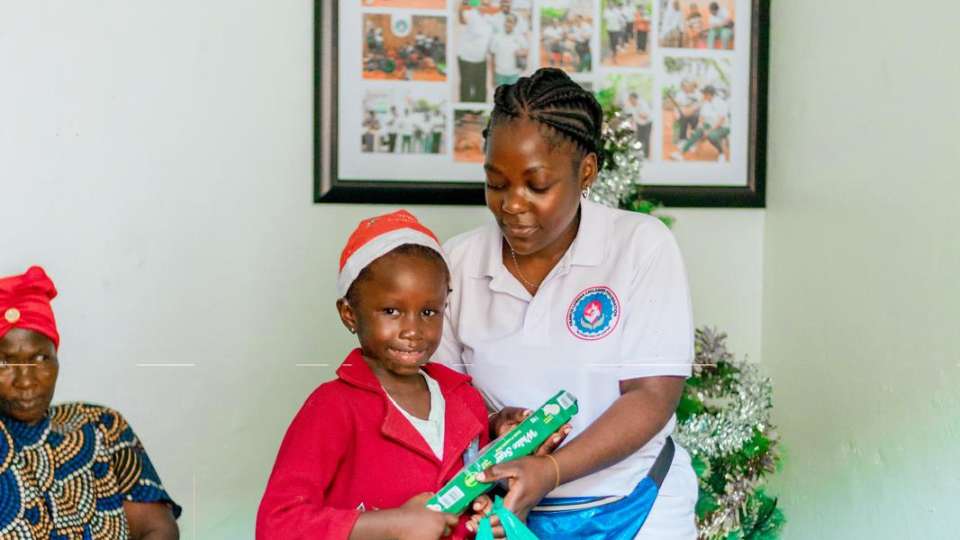
Small actions can ignite profound change, the impact of donating to charity cannot be overstated. Every shilling or dollar you contribute carries the potential to uplift communities, support vital initiatives, and transform lives. While it might seem that a modest donation would go unnoticed, the collective power of individual contributions weaves a fabric of hope and progress. When you support a cause you believe in, you’re not just giving money—you’re investing in solutions that resonate beyond your immediate surroundings. Whether it’s providing education for underprivileged children, ensuring access to healthcare, or supporting environmental sustainability, your participation matters.
Discover how your small contribution can create ripples of impact, fostering a world where generosity reigns and unity thrives. As you explore the reasons why should you donate to charity, consider how your contribution—no matter how modest—can play a critical role in addressing the pressing challenges we face today. Join us in understanding the profound effects of charity, and discover how your small act of kindness can lead to monumental change. Every contribution counts, and together, we can make a difference!
Why Donate to Charity? How Your Small Contribution Creates Big Change
Every community, regardless of its size, has unique needs that can be addressed through charitable efforts. When individuals come together to contribute, even in small amounts, they can collectively meet these needs in a significant way—much like the community-driven efforts we highlight in How Youth Are Saving Families in Uganda. For instance, consider a local food bank. A single dollar can purchase several pounds of food when bought in bulk. When dozens or hundreds of people each contribute a dollar, the food bank can provide meals to countless families who might otherwise go hungry.
This simple act of giving can alleviate hunger and nutritional deficiencies in the community, fostering a healthier, more resilient population. Research shows that even small donations can provide meals for 10 people through food banks. Learn how effective giving works with Feeding America’s Impact Report
Moreover, small contributions can fund community projects that enhance the quality of life for everyone. These projects might include building playgrounds, renovating public spaces, or supporting local arts and cultural programs. A community garden, for example, can flourish with the help of small donations, providing a space for residents to grow their own food, engage in physical activity, and connect with their neighbors. Such initiatives not only improve the physical environment but also strengthen social bonds, creating a sense of belonging and shared purpose.

Small donations also empower local organizations to offer services that address pressing social issues. A modest contribution to a local shelter can help provide housing and support services for individuals experiencing homelessness. Similarly, funds donated to local educational programs can supply books, materials, and scholarships for students in need. These efforts can break the cycle of poverty and open up opportunities for personal and professional growth, leading to long-term positive outcomes for individuals and the community as a whole.
How Charitable Giving Fosters Social Responsibility
Charitable giving is more than just a financial transaction; it is a manifestation of social responsibility. When individuals donate to causes they care about, they are taking an active role in addressing societal issues. This sense of responsibility fosters a culture of empathy and compassion, encouraging people to look beyond their own needs and consider the well-being of others. By supporting charitable organizations, donors help create a more equitable and just society where everyone has the opportunity to thrive—a vision we explore in depth in Empowering Communities Through Field Visits.
Furthermore, charitable giving can inspire others to get involved. When people see their peers, family members, or colleagues making donations, they may be motivated to do the same. This ripple effect can lead to a larger, more engaged community of donors who are committed to making a difference. Sharing stories of charitable contributions on social media or within community groups can amplify this effect, spreading awareness of important causes and encouraging collective action.
Charitable giving also helps individuals develop a deeper understanding of the challenges faced by others. By researching and supporting various causes, donors become more informed about issues such as poverty, inequality, environmental degradation, and health disparities. This knowledge can lead to greater advocacy and involvement in efforts to address these issues, both through financial contributions and by volunteering time and expertise. Ultimately, charitable giving cultivates a sense of shared responsibility and a commitment to creating a better world for all. For insights into global generosity trends, explore the CAF World Giving Index, which tracks charitable behaviors worldwide
Different Types of Charitable Organizations to Support
There is a wide range of charitable organizations that cater to various causes, making it easy for donors to find a cause that resonates with them. Nonprofit organizations, for instance, operate in fields such as healthcare, education, environmental conservation, and social services. Donors can choose to support hospitals and clinics that provide medical care to underserved populations, such as the initiatives we’ve outlined in Addressing Causes of Malnutrition in Uganda, or they can donate to schools and educational programs that offer scholarships and resources to students in need.
In addition to traditional nonprofit organizations, there are many grassroots and community-based groups that rely on donations to carry out their work. These organizations often have a deep understanding of the specific needs and challenges faced by their communities, allowing them to implement targeted and effective interventions. Supporting these smaller, locally-focused groups can have a direct and immediate impact, as donations are often used to fund essential services and programs that would otherwise be unavailable.
International charities also play a crucial role in addressing global issues such as poverty, disease, and disaster relief. Organizations like UNICEF, the Red Cross, and Doctors Without Borders work in some of the world’s most challenging environments, providing vital aid and support to those in need. By donating to these organizations, individuals can contribute to efforts that improve health, education, and living conditions for people around the world. This global perspective on charitable giving highlights the interconnectedness of our world and the importance of supporting initiatives that promote human dignity and well-being on a larger scale.
The Psychological Benefits of Donating to Charity
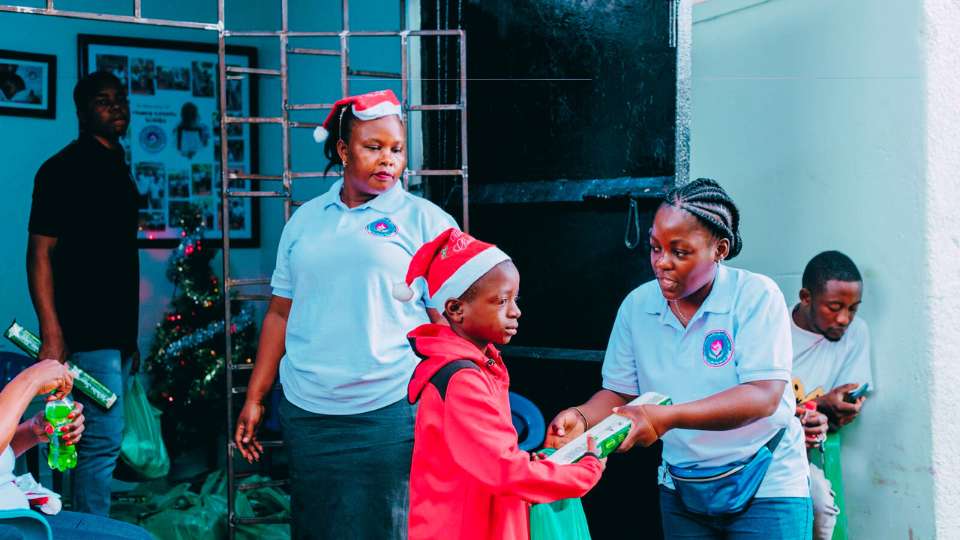
Donating to charity not only benefits the recipients but also has positive effects on the donors themselves. One of the most immediate psychological benefits of giving is the sense of satisfaction and fulfillment that comes from knowing that you have made a difference in someone else’s life. This feeling is often referred to as the ‘helper’s high’—a concept we’ve seen firsthand in stories like How Easter Fundraising Ideas Spark Joy. This emotional boost can improve mood, reduce stress, and contribute to overall mental health.
Research has shown that charitable giving is associated with increased happiness and life satisfaction. Studies have found that people who donate to charity report higher levels of happiness compared to those who do not. This may be because giving to others helps to foster a sense of purpose and meaning in life. When individuals contribute to causes they care about, they feel more connected to their communities and the world at large, leading to a greater sense of fulfillment and contentment.
In addition to these immediate psychological benefits, charitable giving can also have long-term positive effects on mental health. Engaging in regular acts of generosity can help build resilience and coping skills, making it easier to navigate life’s challenges. It can also strengthen social connections and foster a sense of belonging, as giving often involves interacting with others and participating in community activities. By contributing to the well-being of others, donors can enhance their own emotional and psychological well-being, creating a cycle of positivity and support.
Innovative Ways to Donate: how to donate to charity Beyond Money
While monetary donations are a common and effective way to support charitable causes, there are many other ways to contribute that can have a significant impact. One innovative approach is to donate time and skills through volunteer work. Many organizations rely on volunteers to help with various tasks, from administrative support to direct service delivery. By offering their time and expertise, individuals can provide valuable assistance that helps organizations operate more efficiently and effectively.
Another creative way to contribute is through in-kind donations. These can include items such as clothing, food, medical supplies, or equipment that are needed by charitable organizations. In-kind donations can be particularly valuable in situations where specific resources are required to address urgent needs, such as during natural disasters or humanitarian crises. Donating goods and services can help ensure that organizations have the materials they need to carry out their missions and support those in need.
Technology has also opened up new avenues for charitable giving. Crowdfunding platforms like GoFundMe and Kickstarter allow individuals to raise funds for specific projects or causes. Social media campaigns can amplify fundraising efforts, reaching a wider audience and encouraging collective action. Additionally, some companies offer programs that allow customers to round up their purchases to the nearest dollar and donate the difference to charity. These innovative approaches make it easier than ever for individuals to contribute to causes they care about, regardless of their financial situation.
How to Choose the Right Charity for Your Donations
With so many charitable organizations to choose from, it can be challenging to decide where to direct your donations. One of the first steps in choosing the right charity is to identify causes that are important to you. Consider what issues resonate with you personally, whether it’s education, healthcare, animal welfare, environmental conservation, or social justice. By focusing on causes that align with your values and interests, you can ensure that your donations are making a meaningful impact on issues you care about.
Once you have identified potential causes, it’s important to Once you have identified potential causes, it’s important to research the organizations that support them. For inspiration, explore our guide on How to Start a Nonprofit. research the organizations that support them. Look for charities that have a clear mission and a track record of success in achieving their goals. Transparency is also key; reputable organizations should provide information about how donations are used and the impact they have. Websites like Charity Navigator and GuideStar offer ratings and detailed reports on thousands of nonprofits, helping you make informed decisions about where to donate.
Another factor to consider is the efficiency of the organization. Effective charities allocate a significant portion of their funds to program services, rather than administrative or fundraising expenses. This ensures that your donation is being used to directly support the cause. Additionally, consider the scale of the organization and whether you want to support local, national, or international efforts. Each level of impact has its own benefits, and your choice will depend on your personal priorities and goals for giving.
Real-Life Stories: Small Donations That Made a Big Difference
Real-life stories of small donations making a big difference can be incredibly inspiring and demonstrate the tangible impact of giving. One such story is that of Ryan Hreljac, a young boy who, at the age of six, learned about the lack of access to clean water in many parts of the world. Determined to help, he started doing extra chores to raise money. His initial goal was to raise $70, but his efforts snowballed, and he eventually raised enough to fund the construction of a well in Uganda. Ryan’s small act of kindness grew into the Ryan’s Well Foundation, which has since provided clean water to millions of people.
Another inspiring example is the story of Alex Scott, who was diagnosed with neuroblastoma, a type of childhood cancer, at a young age. At four years old, Alex decided to set up a lemonade stand to raise money for cancer research. Her initial goal was to raise $1,000, but her determination and the support of her community helped her surpass that goal many times over. Before her passing at the age of eight, Alex had raised over $1 million. Her legacy continues through Alex’s Lemonade Stand Foundation, which has raised millions more for pediatric cancer research.
These stories highlight the power of small donations, much like the grassroots efforts we detail in Education for Low-Income Families. They remind us that no contribution is too small and that every act of generosity can create ripples of change. By sharing these stories, we can inspire others to get involved and demonstrate the potential for collective action to address some of the world’s most pressing challenges.
The Role of Corporate Giving in Community Development
Corporate giving plays a crucial role in community development and can significantly amplify the impact of individual donations. Many companies have established corporate social responsibility (CSR) programs that contribute to various charitable causes. These programs often include financial donations, in-kind contributions, and employee volunteer initiatives. By leveraging their resources and influence, corporations can support large-scale projects and initiatives that benefit communities and address systemic issues.
One of the key benefits of corporate giving is the ability to provide substantial funding for critical programs and services. Large donations from corporations can help organizations expand their reach, improve their infrastructure, and enhance their capacity to deliver services. For example, a major corporation might fund the construction of a new community center, the development of a health clinic, or the implementation of an educational program. These investments can have a lasting impact on the well-being and development of communities.

Corporate giving also fosters partnerships between businesses and nonprofit organizations, creating opportunities for collaboration and innovation. By working together, companies and charities can develop new solutions to address complex social issues. For example, a technology company might partner with an education nonprofit to create digital learning tools for underserved students. These collaborations can lead to more effective and sustainable outcomes, benefiting both the community and the organizations involved.
Conclusion: The Power of Giving and Its Ripple Effect
In conclusion, the power of giving lies in its ability to create ripples of positive change that extend far beyond the initial act of generosity. Whether through small individual donations, innovative giving methods, or corporate contributions, every act of kindness has the potential to make a significant impact on communities and individuals in need. By supporting charitable organizations, we can address pressing social issues, foster a culture of empathy and social responsibility, and contribute to the overall well-being of society.
The collective power of individual contributions cannot be overstated. When we come together to support causes we care about, we create a fabric of hope and progress that can transform lives and uplift communities. As we have seen through real-life stories and the examples of corporate giving, every donation, no matter how modest, has the potential to create monumental change. By understanding the profound effects of charity and recognizing the importance of our contributions, we can inspire others to join us in this vital effort.
Ultimately, the act of giving enriches both the donor and the recipient, fostering a sense of connection, purpose, and shared humanity. As we continue to face global challenges, the need for generosity and collective action has never been greater.Together, we can make a difference, one small contribution at a time. Learn how to amplify your impact through Disaster Management Careers or Hunger and Poverty Solutions. Let us embrace the power of giving and work towards a world where generosity reigns and unity thrives, creating a brighter future for all.


