

Inspiring Orphanages in Uganda: Unveiling Hope and Transformative Impact
 Gorreth
Amidst East Africa’s challenges, orphanages in Uganda shine as symbols of hope and transformation, offering vulnerable children shelter and sense of belonging. These vital institutions nurture the potential of each child, igniting hope for futures free from poverty and hardship. Through the dedication of caregivers and unwavering community support, they are reshaping lives, breaking cycles of deprivation, and empowering young minds with values and skills to thrive
As Francis Lubega Children’s Foundation (FLCF), we stand alongside these institutions, amplifying their efforts to nurture vulnerable children and foster sustainable change. This article invites you to explore the profound impact of Ugandan orphanages through stories of resilience, the systemic challenges they confront, and the extraordinary strength of caregivers and children alike.
Join us as we uncover how they are not just places of refuge but powerful catalysts for personal and community transformation. Read to the end to discover how FLCF’s initiatives—and your potential support—can turn adversity into opportunity, forging a brighter future for Uganda’s next generation.”
Historical Context of Orphanages in Uganda
Uganda’s journey with orphanages is deeply intertwined with its tumultuous history, marked by periods of conflict, disease, and socio-economic challenges. The origin of orphanages in Uganda can be traced back to the late 20th century, particularly during the devastating civil wars and the brutal regime of Idi Amin in the 1970s. These periods left a significant number of children orphaned and destitute, leading to the emergence of orphanages as critical safe havens. Initially, these institutions were rudimentary, often in the form of makeshift shelters established by religious organizations and non-governmental organizations (NGOs) to provide basic care and protection.
The HIV/AIDS epidemic that surged in the 1980s and 1990s further exacerbated the orphan crisis in Uganda. With a staggering number of adults succumbing to the disease, the country witnessed an unprecedented increase in the number of orphaned children. This crisis catalyzed the growth of orphanages, prompting international aid agencies and local communities to step up efforts to provide comprehensive care. These orphanages evolved from mere shelters to institutions that offered education, healthcare, and psychosocial support, reflecting a broader understanding of child welfare.
As Uganda moved into the 21st century, the landscape of orphanages continued to transform. Government policies began to recognize the importance of family-based care, encouraging the integration of orphanages into broader child protection systems. This shift emphasized the need for orphanages to not only cater to immediate needs but also to focus on long-term developmental goals. The historical context of these orphanages highlights a journey of resilience and adaptation, setting the stage for their critical role in child welfare today.
The Role of Orphanages in Child Welfare
Orphanages in Uganda play a pivotal role in the broader spectrum of child welfare, acting as both immediate support systems and long-term developmental catalysts. These institutions provide essential services that address the fundamental needs of orphaned and vulnerable children, including shelter, nutrition, healthcare, and education. By offering a stable environment, orphanages ensure that children have access to the basic necessities required for survival and growth, which is particularly crucial in a country where poverty and instability can severely limit opportunities.
Beyond meeting immediate needs, orphanages serve as nurturing environments where children can develop emotionally and socially. Many orphanages implement structured programs that focus on psychosocial support, helping children to overcome trauma and build resilience. Trained caregivers and counselors work closely with the children to foster a sense of security, self-worth, and belonging. This holistic approach is vital in helping children to heal from past traumas and to build the confidence needed to face future challenges.

Educational opportunities provided by orphanages are another critical component of their role in child welfare. By ensuring access to quality education, orphanages open doors to a brighter future for these children. Many institutions go beyond primary education, offering vocational training and life skills programs that prepare children for independent living and integration into society. In this way, orphanages not only provide immediate relief but also empower children to break the cycle of poverty and become contributing members of their communities.
Challenges Faced by Orphanages in Uganda
Despite their critical role in child welfare, orphanages in Uganda face numerous challenges that hinder their ability to provide optimal care. One of the most significant challenges is the chronic lack of funding. Many orphanages rely heavily on donations from individuals and international organizations, which can be unpredictable and insufficient. This financial instability often results in inadequate resources, affecting the quality of food, healthcare, and educational materials available to the children.
Another major challenge is the shortage of trained staff. Caring for orphaned and vulnerable children requires specific skills and training, particularly in areas such as trauma-informed care, counseling, and child development. Unfortunately, many orphanages struggle to attract and retain qualified personnel due to limited budgets and the demanding nature of the work. This shortage of skilled caregivers can lead to high staff turnover and inconsistent care for the children, affecting their overall well-being.
Additionally, orphanages in Uganda often face societal and systemic challenges. Stigma and discrimination against orphans can hinder their social integration and acceptance within the broader community. Moreover, government policies and regulatory frameworks may not always be supportive or adequately enforced, leading to gaps in oversight and accountability. These systemic issues can compound the difficulties faced by orphanages, making it harder for them to operate effectively and sustainably.
Families in Crisis: Stories of Resilience and the Power of Support
Remi’s Story: A Single Mother’s Fight for Survival
In Masanda village, Mityana District, 1-year-old Remi and her mother embodies the harsh realities faced by countless Ugandan families. Remi’s mother, a single parent with no formal employment, battles daily to secure even the most basic necessities—food, medicine, and shelter. Her livelihood hinges on irregular earnings from hair braiding—a skill that barely covers their most basic needs. Many days, they survive on one meal, and when Remi falls ill, medical care is often out of reach. On days without work, the pair face empty plates and sleepless nights.
Despite these crushing burdens, Remi’s mother radiates determination, her resolve unshaken as she envisions a future where her daughter thrives. Yet, the reality is stark: unpredictable earnings leave them vulnerable to malnutrition and untreated illnesses.
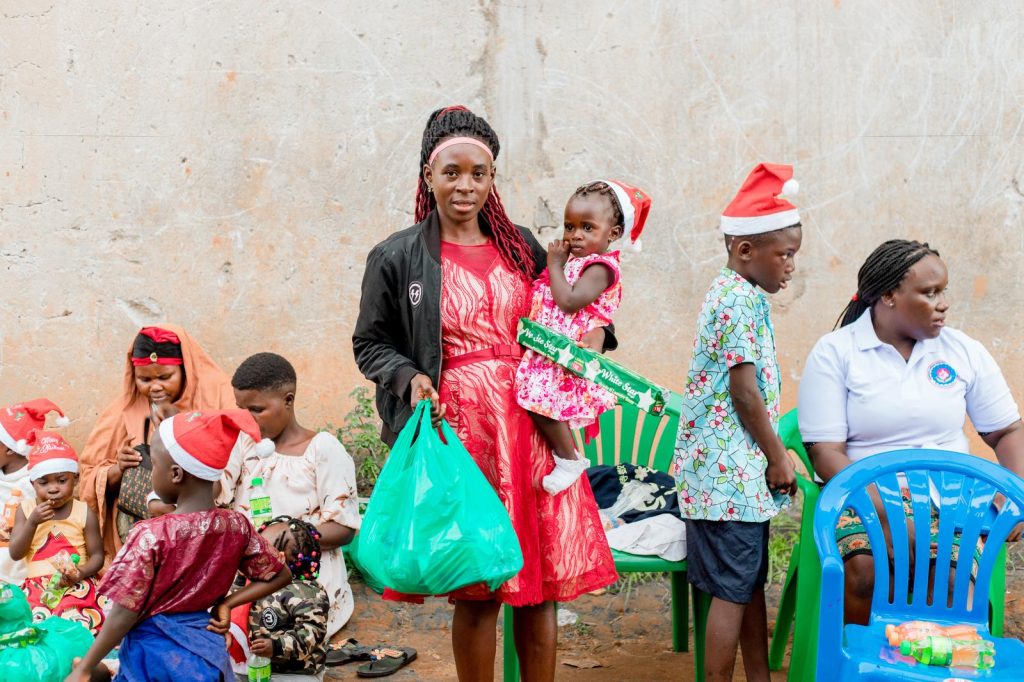
The Francis Lubega Children’s Foundation (FLCF) provides critical but limited assistance to the family, including food supplies, emergency medical vouchers, and clothing. These interventions offer temporary relief, yet systemic challenges persist. To create lasting change, Remi’s mother needs vocational training to scale her business, startup funds for a small poultry farm, and consistent access to pediatric healthcare. With targeted support, this family could transition from survival to stability, ensuring Remi grows up healthy and her mother gains financial independence.
Regina, Sarah, and Justine: A Mother’s Unwavering Resolve
After losing her husband, the mother of 9-month-old Regina and 3-year-old twins Sarah and Justine became the sole provider overnight. She sells vegetables and silverfish in a local market, but her earnings—often less than $2 a day—leave the family battling hunger, untreated illnesses, and the twins’ inability to attend school.
The profits—barely enough to cover a single meal—leave the family battling hunger, illness, and the looming threat of losing their home. Simple luxuries like soap, milk, or school fees for the twins feel like distant dreams. Yet, their mother’s unwavering love fuels her relentless efforts, rising before dawn to secure a spot in the market and working until dusk. Targeted aid—such as microloans to expand her business or donations for healthcare and education—could break this cycle of scarcity. With consistent support, Regina’s first steps and the twins’ first days in school could mark the beginning of a brighter chapter.

Despite our occasional support, this family needs a financial help to expand their vegetable business, a stable healthcare fund for emergencies, and sponsors to cover the twins’ nursery fees and scholastic materials. With these resources, their mother could secure a sustainable income, ensuring her children grow up nourished, educated, and safe.
These stories are not isolated incidents but rather examples of thousands of families across Uganda facing similar hash realities. Unlike institutional orphanages, organizations like FLCF focus on empowering caregivers to keep families intact, recognizing that even limited assistance can catalyze profound change. Remi’s mother and Regina’s family represent a critical truth: when parents are equipped to provide, children flourish. By addressing root causes—unstable incomes, lack of healthcare, and educational barriers—donors don’t just fill gaps; they restore agency. Every contribution, whether funding a month’s meals or a child’s school supplies, writes a new line in these families’ stories—one where struggle gives way to strength, and survival evolves into sustainability.
How You Can Help
FLCF’s current support provides a lifeline, but these families need long-term solutions:
- Vocational training for parents to build stable incomes.
- Financial Aid to grow small businesses.
- Sponsorships for children’s education and healthcare.
- Monthly food/medicine packages to bridge gaps during crises.
Every donation—whether direct funding or covering a child’s school fees—helps families stay together and thrive. By addressing root causes like poverty and instability, we can prevent the need for orphanages and empower parents to build brighter futures.
The Importance of Community Involvement
Community involvement is crucial in ensuring the effectiveness and sustainability of orphanages in Uganda. Local communities play a vital role in supporting orphanages, both through direct contributions and by fostering an inclusive environment for the children. Community members can provide valuable resources such as food, clothing, and educational materials, which are essential for the day-to-day operations of orphanages. Additionally, local businesses and organizations can offer financial support, helping to bridge funding gaps and ensure the long-term sustainability of these institutions.
Beyond material support, community involvement also enhances the social integration of children from orphanages. By welcoming these children into community activities and social events, local communities can help to reduce stigma and discrimination. This inclusive approach fosters a sense of belonging and acceptance, which is vital for the emotional and social development of the children. It also helps to build stronger community bonds and promotes a culture of compassion and mutual support.
Moreover, community involvement can extend to volunteering and mentorship programs. Local volunteers can provide additional support in areas such as tutoring, recreational activities, and vocational training. Mentorship programs, where community members act as role models and mentors for the children, can have a profound impact on their personal development and future aspirations. By leveraging the strengths and resources of the local community, orphanages can create a more holistic and supportive environment for the children in their care.
How International Aid Supports Ugandan Orphanages
International aid plays a significant role in supporting orphanages in Uganda, providing critical resources and expertise that enhance their capacity to care for vulnerable children. Many international organizations and NGOs partner with local orphanages to provide financial support, helping to cover operational costs such as food, healthcare, and education. This funding is often essential for the survival of these institutions, particularly in times of economic uncertainty or crisis.
In addition to financial support, international aid organizations also contribute technical expertise and capacity-building initiatives. These organizations often provide training for orphanage staff in areas such as child protection, trauma-informed care, and educational methodologies. This training helps to improve the quality of care provided to the children and ensures that staff are equipped with the necessary skills and knowledge to address complex needs.
International aid also facilitates the development and implementation of innovative programs within orphanages. For example, some organizations introduce technology-based educational programs that enhance learning opportunities for the children. Others support initiatives focused on health and nutrition, ensuring that children receive comprehensive care. By bringing in new ideas and approaches, international aid organizations help to drive continuous improvement and innovation within orphanages, ultimately benefiting the children they serve.
Volunteering Opportunities: Making a Difference
Volunteering at orphanages in Uganda offers a unique opportunity to make a tangible difference in the lives of vulnerable children. Volunteers can contribute in various ways, depending on their skills, interests, and the needs of the orphanage. For instance, those with a background in education can assist with teaching and tutoring, helping to improve the children’s academic performance and fostering a love for learning.
Healthcare professionals can offer medical care and health education, addressing the physical well-being of the children and providing essential health services that may otherwise be inaccessible. Volunteers with skills in arts, music, or sports can organize recreational and extracurricular activities, which are vital for the holistic development of the children. These activities not only provide fun and enjoyment but also help to build confidence, teamwork, and social skills.
Volunteering is not just about providing services; it is also about building relationships and offering emotional support. Many children in orphanages have experienced significant trauma and loss. The presence of caring and compassionate volunteers can provide much-needed emotional support and stability. By forming meaningful connections with the children, volunteers can help to foster a sense of security and trust, which is crucial for their emotional and psychological well-being.
Future of Orphanages in Uganda: Trends and Innovations
The future of orphanages in Uganda is shaped by emerging trends and innovations that aim to enhance their effectiveness and sustainability. One significant trend is the shift towards family-based care models. Recognizing the importance of family environments for the healthy development of children, many orphanages are exploring ways to integrate family-based care into their programs. This includes initiatives such as foster care, kinship care, and family reunification programs, which aim to provide children with stable and nurturing family settings.
Technology is also playing an increasingly important role in the evolution of orphanages. The introduction of digital learning platforms and educational software is enhancing the quality of education provided to the children. These technologies offer interactive and personalized learning experiences, making education more engaging and accessible. Additionally, technology is being used to improve the management and operations of orphanages, with digital systems for tracking health records, educational progress, and other critical information.
Another promising trend is the focus on sustainability and self-sufficiency. Some orphanages are developing income-generating projects such as agricultural initiatives, artisan crafts, and small businesses. These projects not only provide financial support for the orphanages but also offer vocational training and employment opportunities for the children as they transition to adulthood. By fostering self-sufficiency, these initiatives help to ensure the long-term sustainability of orphanages and empower children with valuable skills for their future.
Conclusion: A Call to Action for Support and Awareness
The transformative impact of orphanages in Uganda is a testament to the resilience and potential of vulnerable children, as well as the dedication of caregivers, volunteers, and supporters. These institutions provide a lifeline for children who have faced unimaginable hardships, offering not just shelter but also love, education, and hope for a brighter future. However, the challenges they face are significant, and the need for support is ever-present.
It is crucial for individuals, communities, and organizations around the world to recognize the importance of supporting orphanages in Uganda. Whether through financial contributions, volunteering, or raising awareness, every effort counts. By working together, we can help to ensure that these institutions have the resources and support they need to continue their vital work.
As we reflect on the stories of transformation and the ongoing challenges, let us be inspired to take action. By supporting orphanages in Uganda, we can contribute to creating a more compassionate and just world, where every child has the opportunity to thrive and realize their full potential. Together, we can make a difference and help to build a brighter future for the next generation.


