

Understanding the Causes of Drought: Key Factors Behind the World’s Water Crisis
-
by
Gorreth
- No Comments on Understanding the Causes of Drought: Key Factors Behind the World’s Water Crisis
As the world confronts an escalating water crisis, affecting agriculture, ecosystems, and millions of livelihoods, understanding the drivers of these dangerous dry spells grows increasingly urgent. From shifting climate patterns and deforestation to urbanization and farming methods, multiple elements intersect, disrupting the balance between ecosystems and human societies. This article explores the primary contributors to drought, investigating the roles of climate change, human actions, and natural variability.
We’ll examine everything from extended periods of low rainfall to unsustainable water use, revealing the root causes of drought and identifying collaborative solutions to address this crisis. By clarifying how droughts develop, we hope to encourage awareness and mobilize efforts to tackle shrinking water supplies. Join us as we unravel the complex network of factors influencing global water resources and explore actionable steps to reduce their impact.
Natural Causes of Drought
Drought is a complex phenomenon influenced by various natural factors. One of the primary natural causes is prolonged periods of below-average precipitation. When regions experience sustained deficits in rainfall, the soil moisture levels drop, and water sources such as rivers, lakes, and reservoirs diminish. This lack of precipitation can be attributed to natural climate variability, such as the El Niño and La Niña cycles. These cycles influence atmospheric circulation patterns and can lead to significant changes in weather patterns, including extended dry spells in some regions.
Another natural cause of drought is high temperatures, which increase the rate of evaporation and transpiration. When temperatures soar, more water is lost from the soil and plants, exacerbating the effects of low precipitation. Additionally, natural factors like changes in wind patterns and ocean currents can disrupt the normal distribution of moisture in the atmosphere, leading to reduced rainfall in certain areas. These climatic shifts, although part of the Earth’s natural variability, can have profound impacts on regional water availability and contribute to drought conditions.
Geological factors also play a role in drought occurrence. The composition and structure of the soil can influence its ability to retain water. For instance, sandy soils have low water-holding capacity, leading to quicker drying out compared to clayey soils. The topography of a region, including mountain ranges and valleys, can affect how water is distributed and retained. Regions situated in rain shadow areas, where mountains block the passage of moist air, often receive less rainfall and are more prone to droughts. Understanding these natural causes is crucial for developing effective strategies to predict and mitigate the impacts of drought.
Human Activities and Drought Risk
Human activities significantly contribute to the occurrence and severity of droughts. One of the most prominent human-induced factors is deforestation. Forests play a crucial role in the water cycle by capturing and storing rainwater, facilitating its slow release into rivers and groundwater systems. When forests are cleared for agriculture, urbanization, or logging, this natural water regulation is disrupted. The loss of vegetation reduces the soil’s ability to retain moisture, leading to increased surface runoff and reduced groundwater recharge, ultimately exacerbating drought conditions.
Urbanization and industrialization also contribute to drought. As cities expand, natural landscapes are replaced with impervious surfaces like concrete and asphalt. These surfaces prevent rainwater from infiltrating the ground, reducing the replenishment of aquifers and increasing surface runoff. Additionally, the extraction of water for industrial processes and domestic use can deplete local water sources. In many regions, groundwater is over-extracted to meet the demands of growing populations, leading to a decline in water levels and increased vulnerability to drought.

Agricultural practices, particularly unsustainable ones, are another significant human-induced factor. Intensive farming methods, such as monocropping and excessive irrigation, can deplete soil nutrients and water reserves. The use of water-intensive crops in regions with limited water availability further strains resources. Additionally, poor irrigation practices, such as flood irrigation, result in significant water wastage. These practices not only reduce the efficiency of water use but also contribute to soil degradation, making the land less resilient to drought. Addressing these human-induced factors is essential for sustainable water management and drought mitigation.
Climate Change’s Impact on Drought
Global warming is amplifying drought frequency and severity. As global temperatures rise due to the accumulation of greenhouse gases in the atmosphere, the hydrological cycle is significantly altered. Higher temperatures lead to increased evaporation rates from land and water bodies, reducing the amount of available moisture. This phenomenon, known as evapotranspiration, can lower soil moisture levels and decrease the flow of rivers and streams, intensifying drought conditions.
Moreover, climate change is expected to alter precipitation patterns, making some regions wetter and others drier. Areas that already experience low rainfall may see further reductions, while regions with significant rainfall may experience more variability, with longer dry periods interspersed with intense storms. These changes can disrupt traditional farming practices and water management systems, making it difficult for communities to adapt. The increased frequency of extreme weather events, such as heatwaves and prolonged dry spells, further exacerbates the impacts of drought.
The melting of glaciers and snowpacks due to rising temperatures also contributes to drought. Many regions rely on the gradual melting of snow and ice during warmer months to replenish rivers and reservoirs. As these sources diminish, the seasonal flow of water is disrupted, leading to shortages during critical periods. Additionally, the warming of ocean temperatures can affect atmospheric circulation patterns, such as the jet stream, which influences weather systems. These changes can lead to prolonged dry conditions in some regions, highlighting the interconnectedness of climate change and drought. Addressing climate change is paramount to mitigating its impacts on drought and ensuring the sustainability of water resources.
Poor Water Management and Farming Practices
Water mismanagement is a significant factor contributing to drought conditions. Inefficient water use and poor planning can exacerbate water scarcity, especially in regions already prone to low rainfall. One common issue is the over-extraction of groundwater for agricultural, industrial, and domestic purposes. In many areas, groundwater is being depleted faster than it can be naturally replenished, leading to a decline in water levels and increased vulnerability to drought. The lack of proper regulation and monitoring of water usage further exacerbates the problem, as users may not be aware of the long-term consequences of over-extraction.
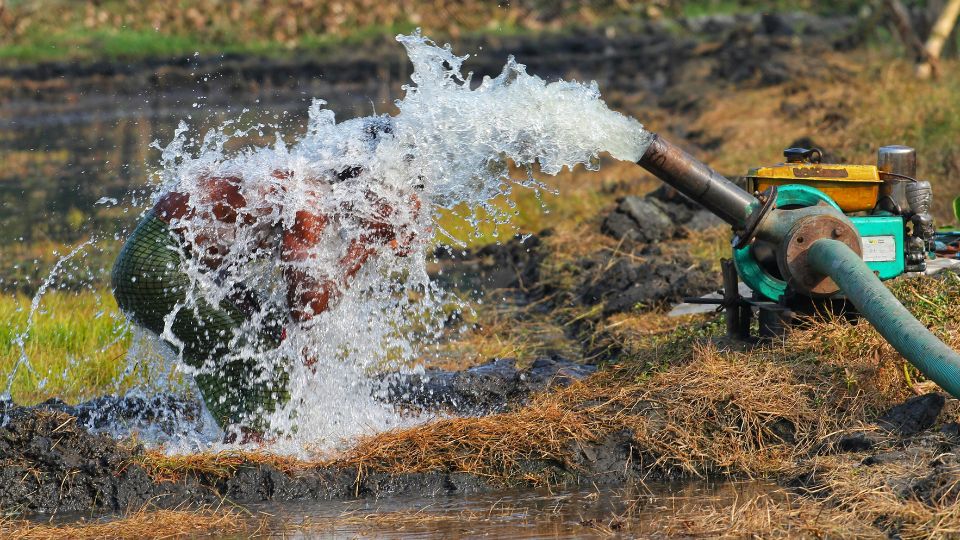
Agricultural practices, particularly those that rely heavily on irrigation, can also contribute to drought. In many regions, traditional irrigation methods, such as flood irrigation, are still widely used despite their inefficiency. These methods result in significant water loss through evaporation and runoff, reducing the amount of water available for crops. Additionally, the cultivation of water-intensive crops, such as rice and cotton, in arid and semi-arid regions places immense pressure on already limited water resources. The lack of crop rotation and soil conservation practices further degrades the land, making it less resilient to drought.
Poor water infrastructure and management practices also play a role in exacerbating drought conditions. In many developing countries, outdated or poorly maintained water infrastructure leads to significant water losses through leaks and inefficient distribution systems. Additionally, the lack of proper storage facilities, such as reservoirs and dams, means that excess rainwater cannot be effectively captured and stored for use during dry periods.
The failure to implement integrated water resource management, which takes into account the needs of various sectors and the environment, further complicates efforts to address water scarcity and drought. Improving water management practices and infrastructure is essential for building resilience to drought and ensuring sustainable water use.
Economic Impacts of Drought
Drought has far-reaching economic consequences that impact various sectors and communities. One of the most immediate effects is on agriculture, which is highly dependent on water availability. Prolonged dry spells can lead to crop failures, reduced yields, and increased production costs as farmers need to invest in irrigation and other drought-mitigation measures. The loss of agricultural output affects not only farmers but also the entire food supply chain, leading to higher food prices and potential food shortages. In regions where agriculture is a primary source of income, drought can result in significant economic losses and increased poverty levels.
The energy sector is also affected by drought, particularly in regions that rely on hydropower for electricity generation. Reduced water levels in rivers and reservoirs can lead to a decrease in hydropower output, forcing energy providers to rely on more expensive and potentially less sustainable sources of energy, such as fossil fuels. This shift can lead to higher energy costs for consumers and increased greenhouse gas emissions, exacerbating the impacts of climate change. Additionally, drought can affect industries that depend on water for their operations, such as manufacturing and mining, leading to reduced productivity and economic losses.
The economic impact of drought extends to the broader economy through reduced economic growth and increased costs for governments and communities. The need to invest in drought relief and mitigation measures, such as water conservation programs and infrastructure improvements, can strain public finances. Additionally, the loss of income and employment in affected sectors can lead to decreased consumer spending and economic activity, further slowing economic growth.
In regions where drought is a recurring issue, the long-term economic impacts can be significant, highlighting the need for proactive measures to address the underlying causes and build resilience to drought.
Vulnerable Regions Most Affected by Drought
Drought is a global phenomenon, but some regions are more vulnerable due to their climatic, geographic, and socio-economic conditions. One of the most drought-prone regions is Sub-Saharan Africa, where many countries experience recurrent droughts that severely impact agriculture, food security, and livelihoods. The combination of low and erratic rainfall, high temperatures, and limited water infrastructure makes the region particularly susceptible to drought. In addition, many communities in Sub-Saharan Africa rely on rain-fed agriculture, making them highly vulnerable to changes in precipitation patterns.
Another region frequently affected by drought is the Middle East and North Africa (MENA). This region is characterized by arid and semi-arid climates, with limited natural water resources and high evaporation rates. Rapid population growth, urbanization, and industrialization have increased water demand, exacerbating the impacts of drought. Many countries in the MENA region rely on groundwater for their water supply, and over-extraction has led to significant declines in water levels. The lack of effective water management and conservation practices further compounds the challenges faced by the region.

In Asia, countries such as India, China, and Australia also experience significant drought impacts. In India, the reliance on monsoon rains for agriculture means that any deviation from normal rainfall patterns can have severe consequences for food production and rural livelihoods. In China, the northern regions, including the North China Plain, are particularly vulnerable to drought due to over-extraction of groundwater and high water demand for agriculture and industry. Australia, known for its variable climate, frequently faces drought conditions, particularly in the southeastern and southwestern regions.
The combination of natural climate variability and human activities, such as water-intensive agriculture and urbanization, contribute to the region’s vulnerability to drought. Addressing the specific challenges faced by these regions requires targeted strategies and international cooperation to build resilience and ensure sustainable water management.
Solutions for Resilience
Effective drought mitigation and water conservation strategies are essential for addressing the challenges posed by diminishing water resources. One key strategy is the implementation of integrated water resource management (IWRM), which takes a holistic approach to managing water resources. IWRM involves the coordinated development and management of water, land, and related resources to maximize economic and social welfare without compromising the sustainability of vital ecosystems. This approach includes measures such as improving water-use efficiency, promoting water recycling and reuse, and protecting and restoring natural water systems.
Another important strategy is the adoption of sustainable agricultural practices that reduce water consumption and increase resilience to drought. Techniques such as drip irrigation, which delivers water directly to the roots of plants, can significantly reduce water wastage compared to traditional irrigation methods. Crop diversification and the use of drought-resistant crop varieties can also help farmers adapt to changing precipitation patterns and reduce their reliance on water-intensive crops. Additionally, practices such as conservation tillage and agroforestry can improve soil health and water retention, making agricultural systems more resilient to drought.
Investing in water infrastructure and technology is also crucial for drought mitigation. Developing and maintaining efficient water storage and distribution systems, such as reservoirs, canals, and pipelines, can help capture and store excess rainwater for use during dry periods. The use of advanced technologies, such as remote sensing and weather forecasting, can improve the monitoring and management of water resources, allowing for more accurate predictions of drought conditions and better planning of water use.
Additionally, promoting water conservation through public awareness campaigns and incentives can encourage individuals and communities to adopt water-saving practices, such as fixing leaks, using water-efficient appliances, and reducing water waste. By implementing these strategies, we can build resilience to drought and ensure the sustainable use of water resources.
Future Water Challenges and Innovations
The future of water resources is fraught with challenges, but also presents opportunities for innovative solutions. One of the main challenges is the increasing demand for water due to population growth, urbanization, and economic development. As the global population continues to rise, the pressure on water resources will intensify, particularly in regions already experiencing water scarcity. Urbanization and industrialization further exacerbate the demand for water, leading to increased competition for limited resources among different sectors, including agriculture, industry, and domestic use.
Climate change will also continue to pose significant challenges to water resources. The impacts of rising temperatures, altered precipitation patterns, and extreme weather events will affect the availability and distribution of water. Some regions may experience more frequent and severe droughts, while others may face increased risks of flooding and waterlogging. The melting of glaciers and snowpacks, which provide critical water sources for many regions, will further complicate water management. Addressing these challenges requires a comprehensive understanding of the interactions between climate change and water resources, as well as the development of adaptive strategies to manage these impacts.
Despite these challenges, there are promising solutions that can help secure the future of water resources. Advances in technology, such as desalination and water purification, offer potential solutions for augmenting water supplies in water-scarce regions. Desalination, which involves the removal of salt and other impurities from seawater, can provide a reliable source of freshwater for coastal areas. Water purification technologies, such as membrane filtration and advanced oxidation processes, can improve the quality of water from various sources, making it suitable for different uses.
Policy and governance reforms are also essential for ensuring the sustainable management of water resources. This includes the development of clear and enforceable water rights and regulations, as well as the establishment of institutions responsible for water management. Collaborative approaches that involve multiple stakeholders, including governments, communities, and the private sector, can help create more effective and inclusive water management strategies. By addressing the challenges and leveraging innovative solutions, we can work towards a future where water resources are managed sustainably and equitably.
Final Thoughts: Acting Now
As we face an escalating water crisis, understanding the causes of drought and addressing them with urgency is paramount. The interplay of natural factors, human activities, and climate change creates a complex web of influences that shape our planet’s water resources. From prolonged periods of below-average rainfall and high temperatures to deforestation, urbanization, and unsustainable agricultural practices, the factors contributing to drought are multifaceted and interconnected.
Addressing the root causes of drought requires a comprehensive and integrated approach that considers the natural and human-induced factors at play. Sustainable water management practices, including the implementation of integrated water resource management, the adoption of water-efficient agricultural practices, and investments in water infrastructure and technology, are essential for building resilience to drought. Additionally, addressing the impacts of climate change through mitigation and adaptation strategies is crucial for ensuring the long-term sustainability of water resources.
Public awareness and education about the causes and impacts of drought are also vital for promoting water conservation and encouraging collective action. By understanding the intricate web of influences shaping our water resources, we can work together to mitigate the impacts of drought and ensure a sustainable future for generations to come. The urgency of addressing drought causes cannot be overstated, and it is imperative that we take proactive measures to safeguard our water resources and build resilience to the challenges ahead.


